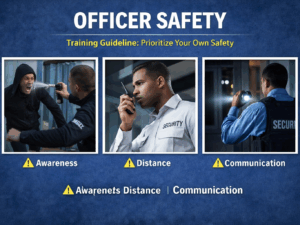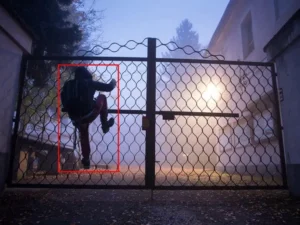

Arrest, search and seizure
Basic course info — ASAP Security Academy
Course title: Arrest, Search & Seizure (California)
Provider: ASAP Security Academy
Category: Legal / Compliance
Audience: Security Officers, Supervisors, Site Leads, Loss Prevention
Level: Beginner–Intermediate
Format: Video lesson + quiz (recommended)
Estimated duration: 30–45 minutes
Prerequisites: None (recommended: basic report writing)
Certificate: Completion certificate (optional)
Learning outcomes:
-
Explain the difference between peace officer authority and private security authority
-
Understand when a citizen’s arrest (PC 837) is lawful and how to handle it safely
-
Know when searches are prohibited and when limited safety actions may be justified
-
Apply merchant detention (PC 490.5) basics in shoplifting/loss prevention situations
-
Use de-escalation, clear communication, and documentation to reduce risk
Short legal disclaimer (for the course page)
This course is for training and educational purposes and is not legal advice. Laws and policies may vary by jurisdiction and employer. Always follow California law, your company’s post orders, and local law enforcement guidance when applicable.





- Description
- Curriculum
Intro for the main lesson (course text)
Arrest, Search & Seizure is one of the most important legal topics in private security—because a small mistake in a detention, search, or use-of-force decision can turn a routine incident into civil liability, criminal exposure, or a loss of license. This lesson breaks down what security officers can do, what they cannot do, and how to stay professional, lawful, and safe while protecting people and property.
You’ll learn the practical differences between Penal Code 836 (peace officer arrest authority) and Penal Code 837 (citizen’s arrest), and why security guards must operate within limited authority even when they’re confident a crime occurred. You’ll also connect your daily duties to key constitutional protections—especially the Fourth Amendment (search/seizure limits), plus due process and equal protection expectations in how you treat people.
Finally, this lesson covers real-world loss prevention boundaries—including merchant law (PC 490.5)—and the standards for reasonable force, de-escalation, and reporting so you can control situations without escalating risk.
-
1
 Slides -Lesson-1
 -
2
 Arrest -Search Video Lesson
Intro for the video lesson (spoken script)
Welcome to Arrest, Search & Seizure. In private security, your job is to protect people and property—but your authority is not the same as law enforcement. In this video, we’re going to make the rules clear and practical, so you don’t accidentally cross a legal line during a detention.
-
3
 Arrest-Search Test